Why Millwork Is Entering Its “Automation Era”
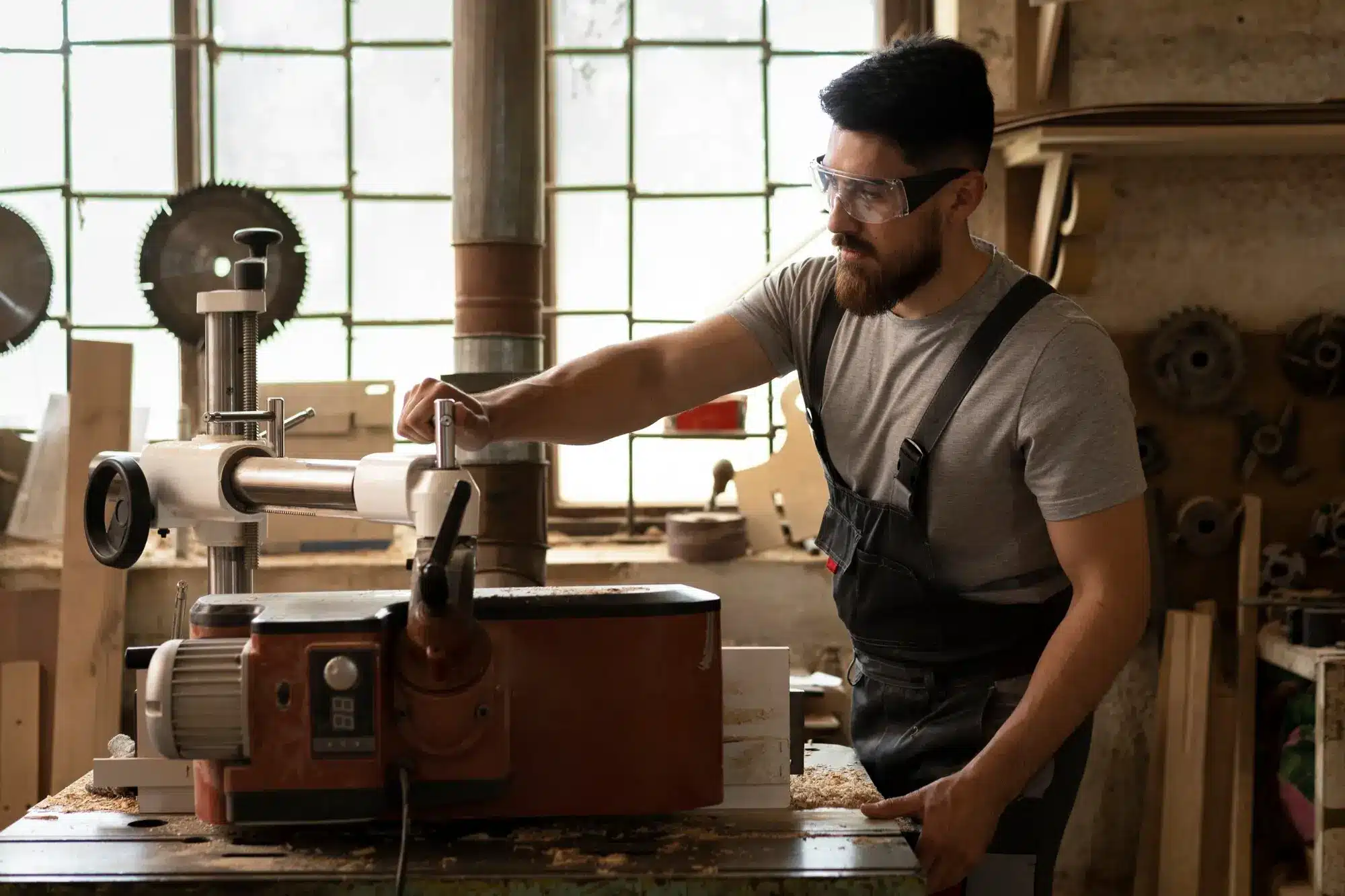
Walk into a modern millwork shop in 2026, and you’ll likely see something far different than a decade ago. Where once every panel, molding, and cabinet component was cut and sanded by hand, you’ll now find CNC routers humming with precision, robotic arms handling repetitive sanding, and Microvellum or Cabinet Vision screens feeding seamless shop drawings into the workflow.
For decades, craftsmanship defined millwork. Today, craftsmanship and automation coexist, not in competition, but in collaboration.
From small family-owned woodworking shops to large commercial manufacturers, automation is no longer a futuristic concept; it’s the operational backbone that allows businesses to stay profitable, accurate, and competitive.
The New Reality – Why Automation Is Transforming Millwork Operations
1. A Shifting Labor Landscape
The biggest driver behind automation isn’t just efficiency, it’s labor shortage. According to the Bureau of Labor Statistics, more than 25% of skilled tradespeople in woodworking and manufacturing are nearing retirement age, while fewer young workers are entering the trades.
For millwork shops that depend on manual craftsmanship, this means production delays, inconsistent output, and rising labor costs. Automation, particularly CNC machines and digital fabrication tools helps close that gap, allowing shops to maintain production even with leaner teams.
2. Pressure to Meet Tight Timelines
Architectural millwork contractors face increasingly complex projects and tighter deadlines from hospitality and healthcare interiors to retail rollouts. Automation allows teams to deliver faster without compromising precision, ensuring detailed profiles, miter joints, and veneer matching are executed perfectly, every time.
The Key Technologies Driving Automation in Millwork
Automation isn’t one tool, it’s an ecosystem of interconnected systems. Here’s what’s reshaping production floors across North America:
1. CNC Machines – The Heart of Digital Woodworking
CNC routers and machining centers have become the nerve center of modern millwork operations. Whether for cutting, routing, drilling, or edge banding, CNC systems now handle 60–80% of fabrication work in many advanced shops.
Key Advantages:
- Accuracy: Within 0.005 inches, perfect for complex architectural details.
- Consistency: Every piece produced identical, regardless of operator.
- Efficiency: Dramatic reduction in manual cutting and layout times.
- Waste Reduction: Optimized nesting reduces scrap material by 15–25%.
CNC in millwork is no longer a luxury, it’s a necessity for scaling quality output.
2. CAD/CAM Integration, From Design to Production
The integration of CAD (Computer-Aided Design) and CAM (Computer-Aided Manufacturing) software like Microvellum, Cabinet Vision, or AutoCAD Inventor, bridges the gap between design intent and fabrication.
Why It Matters:
In older workflows, hand-translated shop drawings were prone to measurement errors. Today, CAD-to-CNC automation allows every digital drawing to become a machine-ready file, eliminating rework and improving communication between engineering and production.
Practical Example:
A high-end casework shop in Charlotte, NC reported a 30% decrease in production time after integrating Microvellum with their SCM CNC router simply by automating the data transfer between engineering and manufacturing.
3. Robotics and Machine Tending
The next stage of wood automation goes beyond cutting. Companies like FANUC and Homag are leading the charge with robotic sanding, panel handling, and automated finishing lines.
Use Cases:
- Robotic arms sanding cabinet doors with uniform pressure.
- Automated loading/unloading between machining centers.
- Conveyor-based finishing systems applying stain and sealer precisely.
These systems free up skilled tradespeople for higher-value tasks, quality control, assembly, and innovation.
4. Smart Sensors and IoT Connectivity
Advanced sensors and IoT systems track machine health, tooling wear, and production metrics in real time. Predictive maintenance, once limited to large manufacturers is now accessible for mid-sized shops through affordable monitoring systems.
For example:
A Midwest millwork firm using IoT-enabled routers reported 25% less downtime after switching to predictive maintenance alerts that automatically flagged spindle issues before failure.
5. Automated Material Handling
Material flow is often an overlooked bottleneck. Automated conveyors, vacuum lifts, and sorting systems are improving both safety and speed. Operators no longer need to manually move heavy MDF or hardwood panels, reducing injury rates and streamlining throughput.
ROI and Cost-Benefit of Automation in Millwork
Automation doesn’t just increase speed, it improves profitability. Here’s how shops typically see returns:
- Labor Efficiency: One CNC operator can now do the work of three manual machinists.
- Waste Reduction: Optimized cuts and digital nesting cut material waste by up to 20%.
- Faster Turnaround: A project that took 10 days manually can now be completed in 6–7.
- Quality Control: Fewer rejects and callbacks, crucial in architectural millwork contracts.
- Energy Efficiency: Modern machines use smart power cycles, reducing energy costs by 10–15%.
ROI Snapshot:
A 15-person architectural millwork shop investing $300K in CNC + software integration reported full ROI in 24 months, thanks to labor cost reduction and increased production capacity.
How Smaller Millwork Shops Can Start Adopting Automation
Many shop owners assume automation is only for large manufacturers, but that’s changing rapidly. Here’s a phased approach any small to mid-size woodworking business can follow.
Step 1: Start with Digital Shop Drawings
Even before buying machinery, standardize your shop drawing automation process. Invest in software like Microvellum or Cabinet Vision to ensure every design file can feed into future CNC systems.
Step 2: Choose CNC Equipment Strategically
Don’t overspend initially. Begin with a single 3-axis CNC router and expand as your capacity grows. Partner with vendors offering training and financing, such as FANUC, Biesse, or SCM Group.
Step 3: Train Your Team
Upskilling is crucial. Cross-train experienced carpenters and drafters in CNC operation, G-code basics, and digital design. Consider partnerships with trade schools or local AWI apprenticeship programs.
Step 4: Integrate Software and Machines
Once comfortable with CNC, integrate CAD/CAM systems with ERP or production software. This allows you to track everything from orders and inventory to tooling maintenance in one place.
Step 5: Measure Performance and Scale
Establish KPIs like OEE (Overall Equipment Effectiveness), scrap rates, and average job time. These benchmarks help prove ROI and justify further investment.
Workforce Transformation, The Human Side of Automation
Automation doesn’t replace people, it redefines roles. In millwork, it’s transforming traditional craftsmanship into digital craftsmanship.
New Roles Emerging:
- CNC Programmer
- Automation Technician
- CAD/CAM Engineer
- Production Data Analyst
Meanwhile, classic roles like joiners, assemblers, and finishers are evolving into multi-skilled technicians who oversee both machines and craftsmanship.
Training Tip:
Encourage employees to attend Microvellum University or Woodwork Career Alliance (WCA) certification courses to stay current with digital trends.
The Sustainability Impact of Automation
Automation doesn’t just save time, it saves resources. Modern CNC systems reduce offcuts, optimize nesting, and ensure maximum material yield. Combined with low-VOC finishes and FSC-certified wood, these changes support eco-conscious operations.
Key Sustainability Benefits:
- 15–20% less material waste.
- Lower VOC emissions through precision finishing.
- Reduced power usage via smart start-stop automation.
- Better air quality due to automated dust collection and safety sensors.
For companies working on LEED or WELL-certified projects, these factors directly support sustainability documentation and client transparency.
Challenges and How to Overcome Them
Adopting automation in millwork does present a learning curve. Here’s how to stay ahead:
1. High Initial Investment
Start with leased equipment or shared manufacturing spaces to lower upfront costs. Some OEMs offer 0% financing or rent-to-own options for small shops.
2. Skill Gaps
Bridge the gap by offering internal training or sponsoring team members for CNC and CAD/CAM certification.
3. Integration Complexity
Ensure your software (e.g., Microvellum) and machines share compatible file formats and G-code setups.
4. Cultural Resistance
Involve your existing craftsmen early. Show them how automation enhances, not replaces their expertise.
The Future of Technology in Woodworking
Automation is only the beginning. Emerging trends shaping millwork in the next 3–5 years include:
- Collaborative Robots (Cobots): Working alongside humans for assembly and finishing.
- AI-Driven Nesting Optimization: Reducing waste and tool wear automatically.
- Predictive Maintenance: Machines that alert operators before breakdowns.
- Cloud-Based Production Monitoring: Owners can track performance remotely.
- Augmented Reality (AR) Installation Tools: Helping installers visualize and align components on-site.
As costs continue to drop and software becomes more user-friendly, automation will no longer be optional, it’ll be the industry baseline.
Key Takeaways – Why 2026 Is the Tipping Point for Millwork Automation
- Labor shortages and demand for precision are pushing millwork toward digital transformation.
- CNC machines, CAD/CAM software, and robotic automation deliver measurable ROI.
- Small and mid-size shops can start small with digital drawings and modular CNC investments.
- Upskilling your existing workforce ensures long-term sustainability.
- Automation is not the death of craftsmanship, it’s the evolution of it.
Balancing Craftsmanship with Technology
Automation in millwork isn’t about replacing artisans, it’s about amplifying their skill through precision, consistency, and scalability. The future millwork shop will still value human creativity but it’ll rely on technology to execute it flawlessly, at speed, and with sustainable efficiency.
Whether you’re a shop owner, plant manager, or operations executive, the time to invest in automation is now. Those who lead the shift today will define the standards for tomorrow’s woodworking excellence.